How to maintain car brakes
Brake fluid transmits pressure to the calipers, which then squeeze the brake pads against the spinning rotors. This friction is what brings your vehicle to a stop. Given the immense forces at play, it's no wonder that brakes wear out. Factors like city driving, heavy loads, and aggressive stops accelerate this wear. Understanding this process is your first step towards smarter driving and longer lasting brake pads.
6 techniques to increase brake pad lifespan
A key part of how to maintain car brakes is improving your driving technique. To help your brake pads last longer, try these six driving techniques.
• Practice progressive braking
Instead of stomping on the brake pedal, apply gentle, increasing pressure. This allows the brakes to work more efficiently and reduces thermal shock. It also prevents premature wear on both pads and rotors.
• Maintain a buffer zone
Keep ample space between your vehicle and the one ahead. The classic 'two-second rule' (or longer in adverse conditions) gives you crucial reaction time, allowing for smooth deceleration rather than emergency stops.
• Read the road ahead
Observing changing traffic lights, upcoming intersections, and distant vehicles slowing down allows you to ease off the accelerator and coast more. This natural reduction in speed often eliminates the need for heavy braking.
• Leverage engine braking
This is especially helpful on declines or when approaching stops when downshifting or using engine resistance to slow down the vehicle. It reduces the strain and heat on your friction brakes. For electric vehicles, regenerative braking automatically achieves this, increasing range and preserving mechanical brakes.
• Remove unnecessary items from your car
Excessive weight in your car makes your brakes work harder to stop. Regularly removing unnecessary items from your boot or back seat reduces this burden and improves braking performance and durability.
• Schedule regular brake checks
Scheduling professional inspections help detect issues early on to prevent significant repair costs. Don't wait for a warning light or a strange noise. Include checking brake fluid levels in the routine, and adhere to your vehicle's recommended service intervals for professional brake system inspections.

The effect of tyre condition on braking performance
Your tyres are the only part of your vehicle that contacts the road, making their condition integral to effective braking. Several factors contribute.
• Tyre pressure levels
Tyre pressure determines how much of the tread surface makes contact with the road, affecting grip and braking effectiveness. Regularly check and maintain proper tyre pressure to maximize contact and allow your braking system to perform as designed.
• Tread wear and damage
The amount of wear on tyres affects their grip, especially in wet conditions, forcing brakes to work harder and increasing stopping distances. Regularly inspect your tyre treads for uneven wear, bulges, or embedded objects and replace tyres when necessary.
• Uneven wear patterns
Uneven tyre wear creates inconsistent grip levels, leading to unpredictable braking behavior and potential pulling to one side during stops. Schedule regular tyre rotations and wheel alignments to maintain even wear patterns for consistent braking performance.
• Tyre type and quality
Different tyre types and quality levels provide varying amounts of grip and braking performance under different conditions. Choose high-quality tyres designed for your specific driving conditions to achieve superior grip and shorter stopping distances.


Dealer Locator
Search among our dealers to find where your tyre is available
4 ways premium tyres extend brake pad lifespan
In addition to superior road holding, high-quality tyres offer several benefits to your brake pads.
• Superior grip
Your vehicle responds more efficiently to braking input, which means less force and shorter friction periods are needed from your brake pads to achieve the desired deceleration.
• Effective heat management
Quality tyres help in better heat management during braking. Superior tyre grip enables shorter braking distances. This reduces overall heat build-up in the brake system and lowers the risk of brake fade.
• Enhanced vehicle control
Better tyres translate to more precise steering and improved vehicle stability. This helps you maintain control in challenging situations and avoid sudden, panic braking that contributes to brake pad wear.
• A smoother ride
Many premium tyres feature reduced rolling resistance, which makes it easier for your vehicle to maintain momentum and requires less acceleration and, consequently, less frequent braking. Over time, this reduced workload extends the life of brake pads.
Drive confidently, drive further with MICHELIN tyres
Ultimately, a safer drive and longer-lasting components go hand-in-hand. By adopting smart braking habits and equipping your vehicle with quality tyres, you enhance performance, improve safety, and save on maintenance costs. In December 2024, Michelin and Brembo signed a global agreement of combined expertise, to explore the full potential of their solutions to improve vehicle and brake pad performance.
MICHELIN tyres are engineered to deliver exceptional grip and control, which contributes to more efficient braking and, in turn, helps lengthen the life of brake pads. Explore the MICHELIN tyre collection and choose the ones that suit your driving style from our tyre collection.
Related articles
-

Driving safely on mountain roads
Driving on mountain roads requires appropriate precautions and behaviour to stay safe, especially in difficult weather conditions such as wet, snowy or icy roads.
Read on to find out what our experts have to say about driving safely on mountain roads.
Summary :
How to be well prepared before the journey
Safe driving tipsLearn more -

TRACK DAY TYRE GUIDE
Learn more -
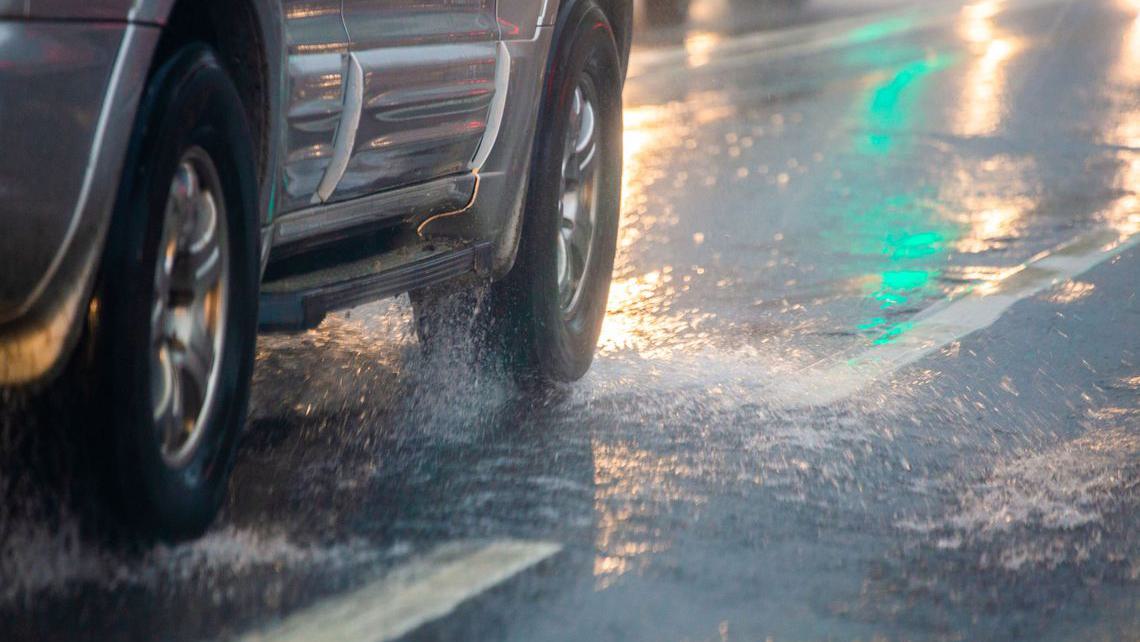
Aquaplaning meaning and how to prevent it?
Aquaplaning (also called hydroplaning) may seem a little scary, but it is only a very rare cause of accidents. In fact, even when you are driving in the rain, road conditions involving a risk of total aquaplaning only represent 0.01% of cases.
Aquaplaning meaning, in which cases is it a real risk? How to prevent it and what should you do if it occurs? You will have an answer to all these questions in this article.Learn more