Common causes of tyre punctures
As you might expect, the most common causes of a puncture are often linked to specific driving conditions. Being aware of them is the first step in avoiding one.
Sharp objects like nails, screws, and broken glass are a frequent reason for punctures, especially on urban roads near construction sites.
Potholes can form after heavy rain, especially on rural chipseal roads where weather conditions can degrade the road surface. Hitting one at speed can cause serious tyre damage called an impact break.
Off-road driving on unsealed or gravel roads presents its own risks, as sharp stones and other debris can pierce a tyre’s tread.
Driving on underinflated tyres is a common but often-missed cause of tyre damage. Low pressure causes the tyre’s sidewalls to flex excessively, which can lead to overheating and structural failure and irreversible internal damage. As a result. the risk of a puncture increases.
What to do immediately after a puncture
When you get a puncture, the first steps you take are essential for keeping everyone in the vehicle safe. Remain calm and follow these steps.
Find a spot to pull over safely, well away from ongoing traffic. Look for a flat, stable surface like a lay-by or a quiet side road. Turn on your hazard lights to alert other drivers.
Once you’re safely stopped, visually inspect the tyre. Look for signs of damage, such as embedded nails, visible cuts, or a large tear.
If the tyre is rapidly deflating or is already entirely flat, the best thing to do is to fit your spare wheel. If you don't have a spare, a temporary sealant kit can sometimes provide a temporary fix for small tread punctures to get you to the nearest garage for a proper inspection.

Repair or replace?
Can the tyre be repaired, or do you need a new one? The answer depends on the location and size of the damage. A professional assessment is always the best way forward.
A puncture is usually repairable if it's in the main tread area between the outermost grooves and the hole is no larger than 6mm in diameter.
Damage is usually not repairable if it's on the tyre's sidewall or shoulder area, as this part of the tyre endures high stress from constant flexing, and a repair would weaken its structural integrity. Tyres with large cuts or that have been repaired multiple times should also be replaced.
A professional assessment is always needed, so have a trained technician inspect the tyre both inside and out. Driving on a flat tyre, even for a short distance, can cause internal damage that isn't visible from the outside, like a shredded inner liner.


Dealer Locator
Search among our dealers to find where your tire is available
Professional puncture repair methods
Not all tyre repair methods provide the same level of safety. And while tyre repair kits exist, a professional puncture repair is the only way to ensure your tyre is roadworthy.
The plug and patch combination is the industry gold standard and the most dependable type of tyre repair. A technician removes the tyre, inspects the interior, and then inserts a rubber plug (often called a "mushroom") from the inside out. The plug seals the hole entirely and stops moisture from entering, preventing rust on steel belts, the tyre structure.
A patch-only repair involves a technician applying a patch to the inside of the tyre. The problem is that it leaves the puncture hole itself unsealed from the outside. This can allow water to seep into the tyre's structure over time, potentially leading to oxidation and further damage.
Temporary sealant kits can be handy in an emergency for a temporary flat tyre repair, but they are not a long-term fix. The tyre should be professionally inspected, repaired, or replaced quickly afterwards.
Choosing a tyre repair shop in New Zealand
To get a sound repair, choose a trusted repair shop. Look for a service provider that has the following.
Trained technicians with particular training in tyre repair.
The right equipment to correctly dismount, inspect, and remount your tyre.
Good advice on whether a repair or replacement is best for the tyre.
Access to good quality replacement tyres if a repair isn't possible.
Prevention tips to avoid punctures
The best way to handle a puncture is to avoid getting one in the first place. While you can't prevent every incident, some preventative steps can lower your risk.
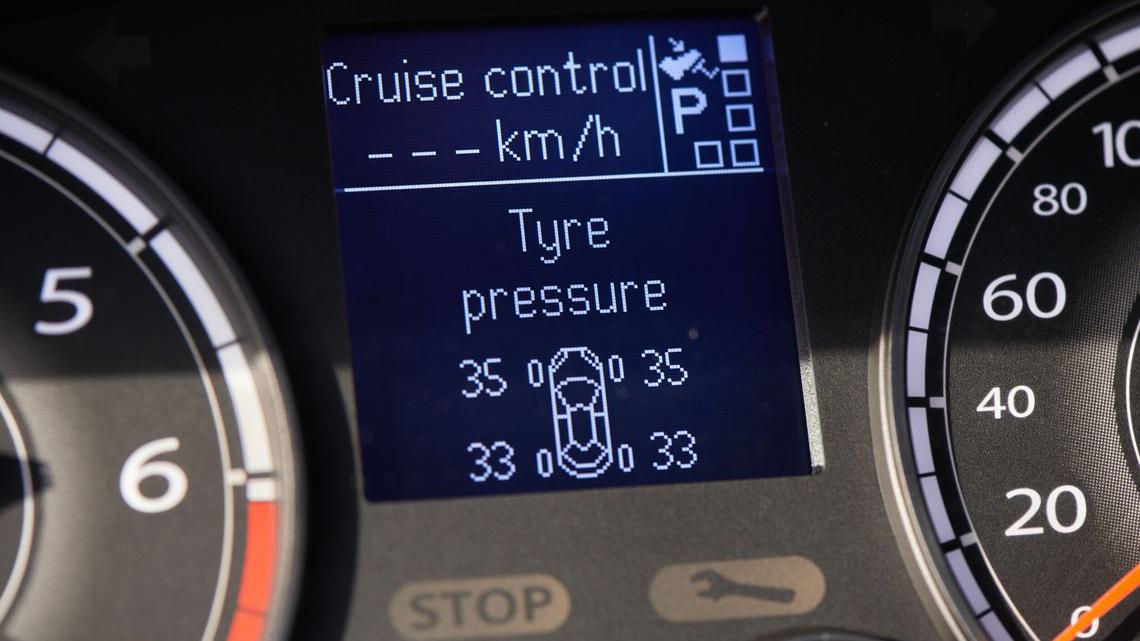
Maintain the right tyre pressure by checking it monthly and before long trips. The proper pressure for your vehicle is listed on a placard, usually inside the driver's door jamb.
Avoid road hazards by remaining alert to road conditions. Safely steer around potholes, debris, and broken road surfaces whenever possible.
Inspect your tyres regularly by performing a regular visual inspection and looking for signs of damage, like embedded objects or cuts.
Replace worn tyres by checking your tread depth regularly. In New Zealand, the legal minimum tread depth is 1.5mm. Tyres with worn tread are more susceptible to punctures.
Trust Michelin-approved tyre repair services in New Zealand
From a temporary repair to a full inspection, getting a professional tyre puncture repair is vital for your safety. Michelin-approved repair shops across New Zealand are equipped to assess the damage and carry out a dependable repair that keeps your tyres performing at their best.
Related articles
-

Driving Safety: precautions and emergency
In our driving safety guide, you will find out what precautions you should take before and while driving, how to drive safely in difficult conditions and what to do in an emergency situation.
Summary:
Precautions before driving
Driving safety in difficult conditions
What should you do in an emergency situation?Learn more -

TPMS : Tyre Pressure Monitoring System
The TPMS (Tyre Pressure Monitoring System) allows you to detect when your tyres are too low in pressure. It has been compulsory in Europe since 1 November 2014 (in the USA since 2007), which means that your vehicle is equipped with it if it was manufactured after this date. In practical terms, TPMS is able to display your tyre pressure level on your dashboard via an indicator or warning light.Learn more -

How to fit a spare tyre?
Getting stuck with a flat tyre is an unfortunately common occurrence that all drivers experience at some point. That’s why it’s essential to know exactly what to do when you get caught out – and to make sure you have all the equipment necessary to make a quick flat tyre change, so that you can get back on the roads as soon as possible.Learn more