What is a TPMS?
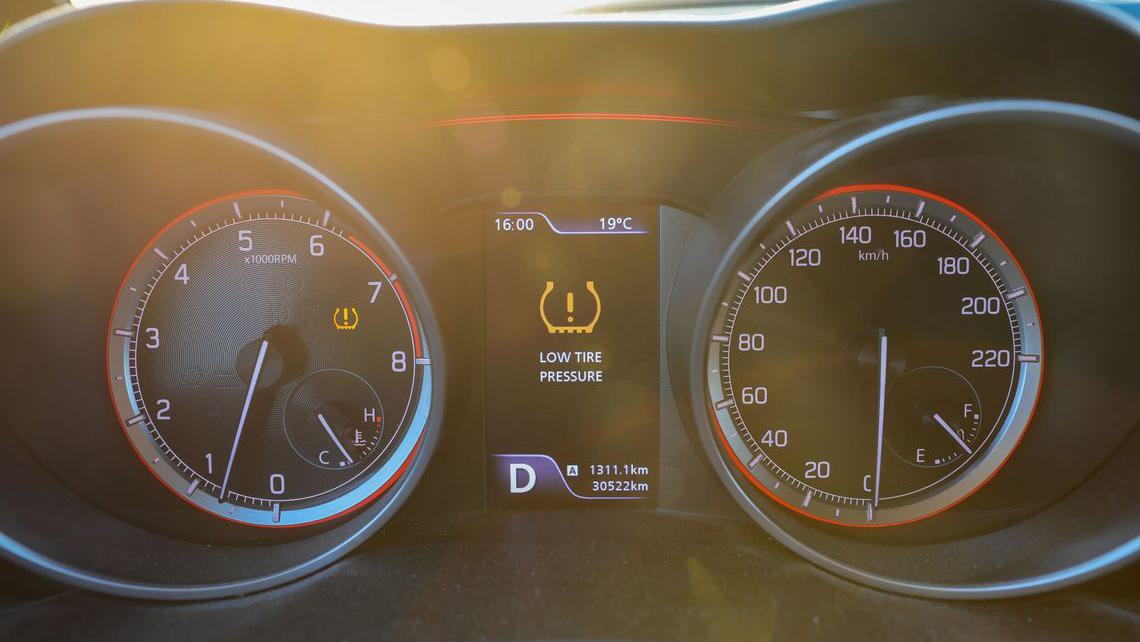
A tyre pressure monitoring system is an electronic safety feature built into your vehicle that tracks the air pressure inside your tyres. Its main function is to warn you when the pressure in one or more tyres falls to a dangerously low level. The early warning helps prevent tyre blowouts, improves your car's fuel economy, and can extend the life of your tyres.
There are two main types of systems.
Direct TPMS uses a dedicated tyre pressure sensor inside each wheel to measure air pressure directly. It sends real-time data to your vehicle's computer, providing accurate readings for each specific tyre.
Indirect TPMS infers pressure loss using the anti-lock brake system's (ABS) sensors. It works by detecting differences in the rotational speed of your tyres. An underinflated tyre has a slightly smaller diameter, causing it to rotate faster than the others, which triggers a warning.
How a tyre pressure monitoring system works
As you drive, the system constantly monitors your vehicle’s tyre pressure. When the pressure drops below a safe level, it signals an immediate alert. Tyres naturally lose around 1-2 psi a month, while plummeting temperatures in the colder months reduce tyre pressure by 1.5 PSI for every 10°C drop. Monitoring this also ensures optimal performance when you’re driving on narrow, winding rural roads or towing a trailer with an SUV or pickup truck.
The benefits of a TPMS
Having a functional monitoring system offers several advantages for safety, savings, and overall performance.
Improved safety
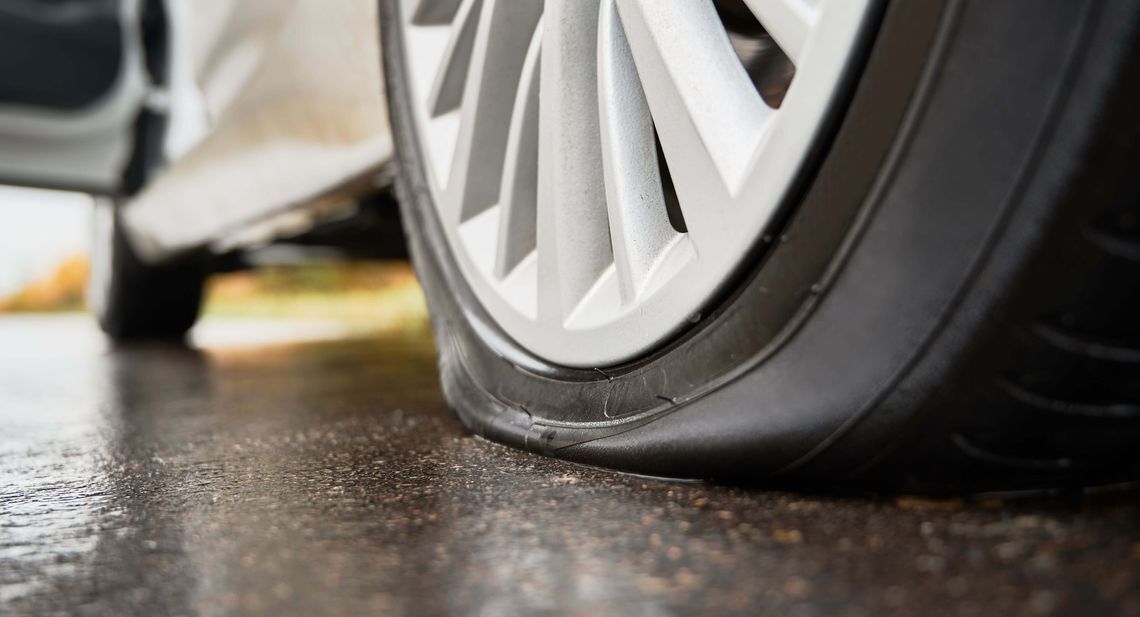
Underinflated tyres are a significant contributor to blowouts and accidents because they overheat from excessive flexing. By providing an early warning, the system reduces this risk.
Better fuel efficiency
Driving on correctly inflated tyres can improve your fuel mileage.
Longer tyre life
Improper inflation leads to uneven and premature tread wear, wearing down the outer edges due to under-inflation or the centre of the tyre due to over-inflation. The system helps you maintain the correct pressure, preventing costly early replacements.


Dealer Locator
Search among our dealers to find where your tire is available
Common TPMS problems and maintenance
While these systems are reliable, they can have issues.
Battery failure
The battery inside a direct tyre pressure sensor lasts between five and ten years. When it fails, the entire sensor unit typically needs to be replaced because the battery is sealed.
Sensor damage
The sensors are located inside the wheel and can be damaged when you are changing your tyres or if a tyre hits a kerb too hard.
False alerts
A sudden cold snap can trigger a warning. If an alert appears, check your tyre pressure as soon as possible.
The best maintenance practice is to have a professional inspect the system during your regular tyre services.
TPMS installation and replacement
Many new vehicles today come with a tyre pressure monitoring system fitted as standard. If you have an older vehicle, you can have an aftermarket system installed to gain the same safety benefits.
Whether you are replacing a faulty sensor or installing a new kit, the work should be carried out by a trained professional. Correct installation and calibration are essential for the system to function correctly and provide accurate warnings.
Get your tyre pressure checked by a Michelin-approved expert
Ensuring your tyres are always at their recommended pressure is a key part of your safety, vehicle efficiency, and driving comfort. If you have a warning light or want to ensure your system is working correctly, visit a professional. Some Michelin-approved service centrese can perform expert tyre pressure checks, TPMS calibrations, and maintenance.
Related articles
-
How to handle tyre puncture repairs
That sinking feeling when you hear the thump-thump of a flat tyre? We've all been there. Tyre punctures happen to everyone, but knowing how to handle one safely can turn a stressful situation into a minor delay. Here's everything you need to know about dealing with punctures, from common causes and what to do if you get one, to where to find a professional for a puncture repair.Learn more -

What to do with a flat tyre?
If you have a flat tyre, it may be for a number of reasons. Often, inflation pressure loss is a consequence of a tyre puncture, or tyre sidewall damage, but it could also be a leaking valve, valve cap or even the wheel. So what should you do when your tyre goes flat? Let's get to the heart of the matter.Learn more -

Everything you need to know about tyre sealant for cars
Please remember that car tyre sealant spray, like other forms of puncture repair, is a temporary solution and is not recommended for driving long distances or at high speeds (above 80 km/h). The risk is that the tyre has been damaged during a run flat or at very low pressure before the sealant repairs the leak and restores pressure.
If your tyres are damaged, seek a professional opinion as soon as possible.
Here we take a look at everything you need to know about car tyre sealant spray, how to use it, what the benefits are, and how far and fast you can drive after using it.Learn more