This article provides practical tips for extending your tyres' lifespan on New Zealand's roads. Follow these guidelines to ensure your tyres perform safely and effectively for as long as possible.
What impacts tyre longevity
The lifespan of your tyres, often referred to as tyre life, is influenced by several factors.
Road conditions
The country's road network is a mix of smooth urban asphalt, abrasive chipseal on highways, and winding gravel roads in rural areas. Driving on these varied surfaces, along with common hazards like potholes, can wear tyres prematurely.
Climate
From the wet, mild winters of the North Island to the potential snow and ice in the South Island's alpine regions, New Zealand's weather runs the gamut. Both intense UV exposure in summer and cold, damp conditions can affect the rubber compound in your tyres.
Driving style
Your habits behind the wheel play a major role in how long your tyres will last. Aggressive acceleration, hard braking, and taking corners at high speeds scrapes rubber from the tread, which leads to faster and often uneven wear.
Tyre pressure
Driving with tyres that are either overinflated or underinflated is another cause of premature wear. Incorrect pressure alters a tyre's 'contact patch' on the road. This can shorten potential lifespan and compromise handling.
Maintenance habits
Neglecting basic care can also reduce tyre longevity. For example, not rotating your tyres regularly can cause uneven wear, with some parts of the tread wear faster than others.
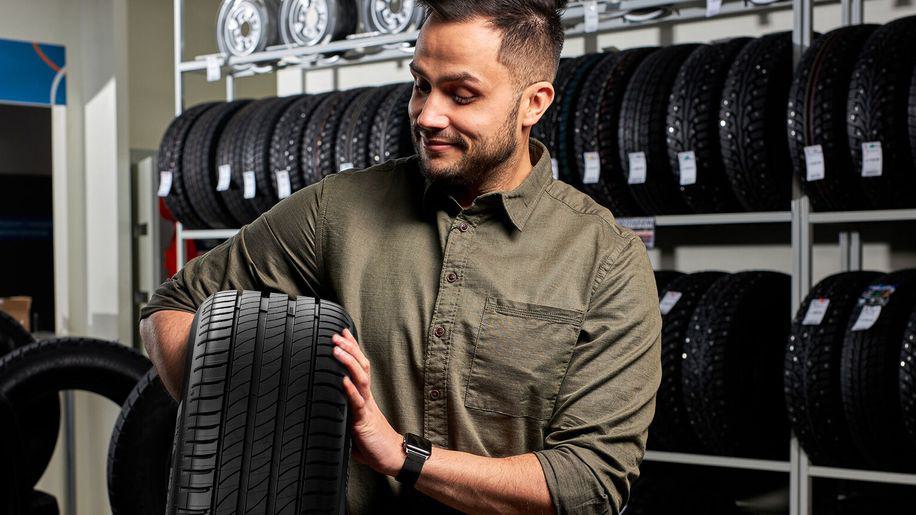
5 ways to maintain tyre longevity
Regular maintenance can help extend the life of your tyres and improve your driving experience.
1. Maintain correct tyre pressure
Always keep your tyres inflated to the pressure recommended by your vehicle’s manufacturer. You can find this information on a placard, usually located inside the driver's side door jamb, in the glove box, or on the fuel filler door. Check your tyre pressure at least once a month when the tyres are cold and before any long trips.
2. Rotate your tyres regularly
To promote even wear, rotate your tyres every 8,000 to 10,000 kilometres. Regular rotations help distribute wear evenly among all tyres, promoting balanced handling and extending the overall life of the set.
3. Check wheel alignment and balancing
If you notice your car pulling to one side or feel vibrations in the steering wheel (for front tyres) or your seat (for rear tyres), your wheels may be misaligned or unbalanced. We recommend having your wheel alignment checked when fitting four new tyres and then every 12,000 to 15,000 kilometres after that. It's also important to have the wheel alignment checked when buying a new car, as not all dealers include this as part of their pre-delivery service.
Correcting wheel alignment prevents uneven tread wear, especially on the inner or outer edges of the tyre, which is a common cause of premature replacement.
4. Drive smoothly
Avoid harsh acceleration, sudden braking, and high-speed cornering. Smooth driving extends tyre longevity and improves fuel efficiency and overall vehicle safety.
5. Store tyres properly
Properly store any tyres that are not in use, such as a seasonal set. Clean them, bag them, and store them upright in a cool, dry, dark place to prevent the rubber from cracking or degrading. Rotate the tyres periodically to avoid flat spots from developing.


Dealer Locator
Search among our dealers to find where your tire is available
Michelin technologies that extend tyre longevity
MICHELIN is committed to engineering tyres that deliver exceptional performance and a long service life. Thanks to advanced technologies, our tyres are designed to provide safety and durability from the first kilometre to the last.
EverGrip™ Technology
Found in our touring and all-season ranges, Water EverGrip Technology features expanding rain grooves and a high-traction rubber compound. As the tyre wears, these grooves widen to maintain effective water evacuation, ensuring excellent wet grip throughout the tyre's service life.
MaxTouch Construction™
This construction method optimises the tyre's contact with the road, distributing the forces of acceleration, braking, and cornering evenly across the tread. This reduces wear and helps to extend tread life.
Silica-based compounds
Our advanced rubber compounds often include silica, which helps reduce rolling resistance for better fuel efficiency while also improving the tyre’s resistance to wear.
Reinforced sidewall design
For SUV and light truck tyres, a strong sidewall design provides added protection against cuts and impacts from curbs or rough terrain, which helps increase durability.

When to replace your tyres
How do you know when to replace your tyres? While proper maintenance extends their life, all tyres eventually need to be replaced. In New Zealand, you must replace your tyres when the tread depth reaches the legal minimum of 1.5mm, though replacing them sooner ensures better wet-weather safety.
Look for these signs that it's time for a new set:
Visible cracks, cuts, or bulges on the sidewall.
Exposed cords showing through the rubber.
Persistent vibrations or noise that isn't resolved by balancing or alignment.
Tyres that are more than 10 years old, based on their manufacturing date, as the rubber can become brittle and unsafe, even if there is still tread left.
Choose Michelin for long-lasting tyre performance
From advanced tread designs to innovative rubber compounds, Michelin tyres are engineered for superior tyre longevity. You can count on excellent safety, comfort, and performance throughout their life.
Related articles
-

How and when to check your tyre pressure?
As tyres naturally lose some air, it is important to check your tyre pressure regularly. Without this, you risk losing grip and increasing your braking distances. You can also damage your tyres, shorten their life and increase your fuel consumption. Let's see how to avoid these risks.Learn more -
What can cause excessive or irregular tyre wear?
It is normal for tyres in service to show progressive tyre wear over time. But sometimes, owing to specific conditions of use, tyres can exhibit abnormal or irregular tyre wear, which might reduce their service life. Eventually, some of the causes of irregular tyre wear could lead to a weakening of the tyre reinforcing structure, but before that, there could be other less obvious consequences, such as an increase in fuel consumption.
This article is about the causes of this excessive or irregular tyre wear, how to prevent them and how can you tell when it is time to change your tyres?Learn more -
How braking smarter and choosing the right tyres can maximise brake pad lifespan
Your brake pads are among your vehicle's most important safety components, yet they're also some of the most expensive parts to replace. Still, with simple driving strategies and smart tyre choices, you can extend your brake pad lifespan. In this guide, we'll explore techniques for making your brake pads last longer, from how to properly brake a car to selecting the right tyres.Learn more