Car tyre technology has quietly revolutionized driving, yet most of us never think about the engineering beneath our vehicles. Thanks to advanced compounds and intricate designs, modern tyres deliver performance that goes far beyond basic rubber circles.
The technology in your tyres directly impacts your vehicle's performance. Better grip improves safety, lower rolling resistance saves fuel, and specialized designs reduce noise. Here is what you need to know to choose the best tyres for your needs.
Why tyre technology matters in New Zealand
Our country's driving conditions are notably varied. One day you might be navigating urban congestion, and the next you could be on a narrow, chipseal open road with sharp bends. Because of this, finding tyres with the right balance is a must.
Safety in all weather
From heavy rain to potential winter ice, your tyres need to provide a consistent grip. Specialised tread patterns and silica-based rubber compounds are designed to handle these slippery surfaces safely.
Adapting to varied roads
The mix of smooth asphalt highways and rougher rural roads means modern car tyres must be durable enough to resist damage while also providing a comfortable, quiet ride.
Improving fuel efficiency
With fuel prices being a constant concern, tyre technology is designed to reduce rolling resistance by minimizing internal friction. As a result, the engine doesn't have to work as hard, which improves fuel economy.
Getting better longevity
Tyres are a significant purchase. Technologies that promote even tread wear by distributing driving forces ensure you can travel further on a single set.

Key car tyre technology categories
Tyre engineering is focused on several key performance areas.
Grip and handling
This refers to how your tyre connects with the road. Engineers design complex tread patterns with special grooves and sipes that channel water away to keep the tread flat on the road, reducing the risk of aquaplaning. At the same time, they formulate special rubber compounds that maintain a larger, more consistent contact patch and stay flexible and grippy in both wet and dry conditions.
Durability and longevity
Chipseal and gravel roads can be tough on tyres, making durability important. Michelin tyre include technologies like reinforced sidewalls to protect against kerb damage, and specialised compounds that are designed to resist wear and tear and ensure greater longevity.
Fuel efficiency
A tyre’s rolling resistance is the energy it loses as heat when the tyre flexes. By using lighter materials and more efficient designs, manufacturers can create tyres that roll more easily. This lower resistance means your vehicle uses less energy, and fuel, to move.
Comfort and noise reduction
A quiet, smooth ride is also an important consideration. Quality tyre technology also improves comfort. By refining the shape and arrangement of tread blocks, engineers can significantly reduce the audible buzz from road noise and vibrations, leading to a quieter and smoother experience inside your vehicle.


Dealer Locator
Search among our dealers to find where your tire is available
Michelin's innovative technologies
At Michelin, we continually develop new tyre technologies to improve performance. Here are a few examples you might find in our tyres.
EverGrip™ technology
As your tyre wears, its ability to grip in the wet can decrease. EverGrip™ technology solves this problem with a self-regenerating tread design where new grooves emerge as it wears, helping to maintain excellent wet grip throughout the tyre's life.
Silica-based compounds
These specialised rubber mixtures improve flexibility and grip, particularly in cold and wet weather. They also help lower rolling resistance to help save fuel, which improves your vehicle's fuel efficiency.
MaxTouch Construction™
This technology improves the tyre’s contact with the road. By distributing the forces of acceleration, braking, and cornering more evenly, it promotes longer, more uniform tread wear.
Acoustic Technology
Michelin’s Acoustic Technology is a layer of sound-absorbing foam applied to the inner liner of the tyre. It effectively reduces cabin noise by nearly 20%, especially on motorways.
Selfseal® Technology
Have you ever worried about getting a flat? Michelin’s Selfseal® technology uses an integrated sealant layer inside the tyre to instantly plug most common tread punctures, allowing you to continue driving safely.

How to choose the right tyre technology
Choosing the right tyre depends entirely on your driving habits and vehicle. Understanding the specific car tyre technology that benefits your driving style is important.
For urban commuters, prioritise low noise, excellent wet grip for rainy days, and fuel efficiency.
For rural drivers, look for durability, puncture resistance, and reliable all-weather traction.
For performance enthusiasts, look for precise handling, superior grip, and high-speed stability.
For family vehicles, the priorities are often safety features, a comfortable ride, and long tread life for better value.
The future of tyre technology
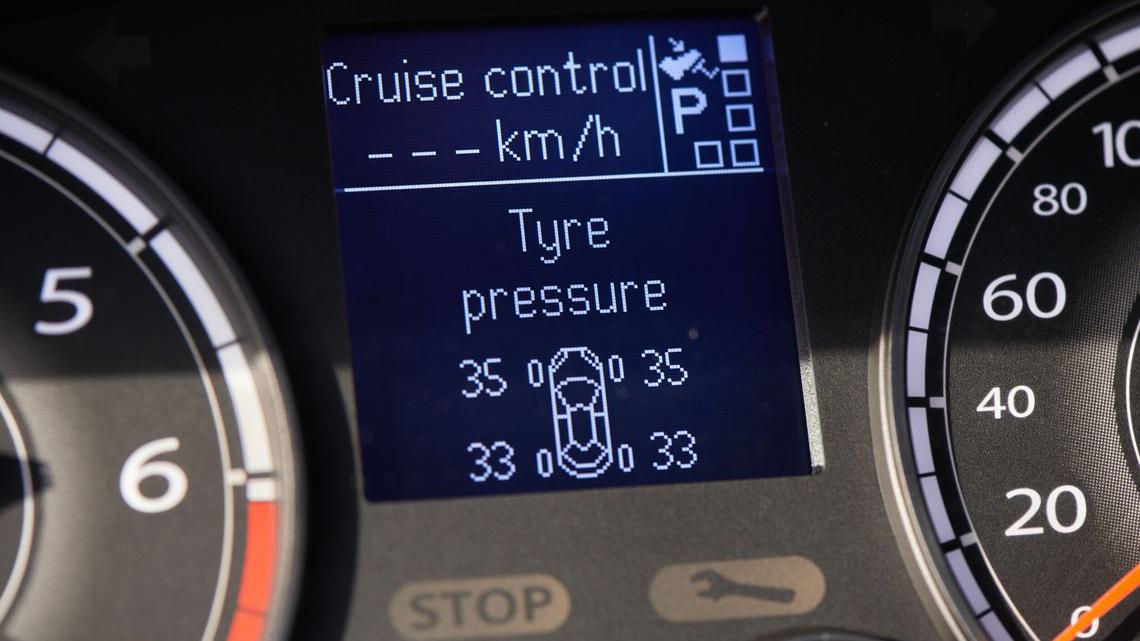
Future tyre innovation includes even better integration with Tyre Pressure Monitoring Systems (TPMS) for real-time safety alerts. The development of eco-friendly materials is also a major focus, with the goal of reducing environmental impact. And as electric vehicles become more common, tyres are being specifically designed to handle their instant high torque and their prominent road noise.
Whether you’re looking for maximum safety in the rain, a quiet ride on the motorway, or tyres that offer excellent longevity on rural roads, Michelin’s technologies can help you get the best performance on every trip.
Find a professional service near you with our Dealer Locator.
Related articles
-
Understanding tyre pressure monitoring systems (TPMS)
Have you ever been driving and seen an unfamiliar warning light appear on your dashboard? This alert could be your car’s way of telling you there’s an issue with your tyre pressure. It comes from a safety feature known as a tyre pressure monitoring system (TPMS). Understanding how this system works is important for ensuring your safety on the road. In this article, we explain what a TPMS is, its benefits, and why proper maintenance is important for your safety.Learn more -
How to Maximise Tyre Longevity
Are you getting the most out of your tyres? For many drivers, tyres are a major investment, so understanding how to extend their lifespan can save you money and keep you safer on the road. Fortunately, tyre longevity is straightforward when you focus on consistent maintenance, careful driving habits, and choosing the right tyres for your vehicle and conditions.Learn more -

How can eco-driving help you save fuel?
These days, there is a growing interest in "eco-driving” or “green driving” techniques. Here we take a look under the hood of the eco-drive meaning, and how certain driving behaviours can not only help the environment but also save money on your fuel budget.Learn more